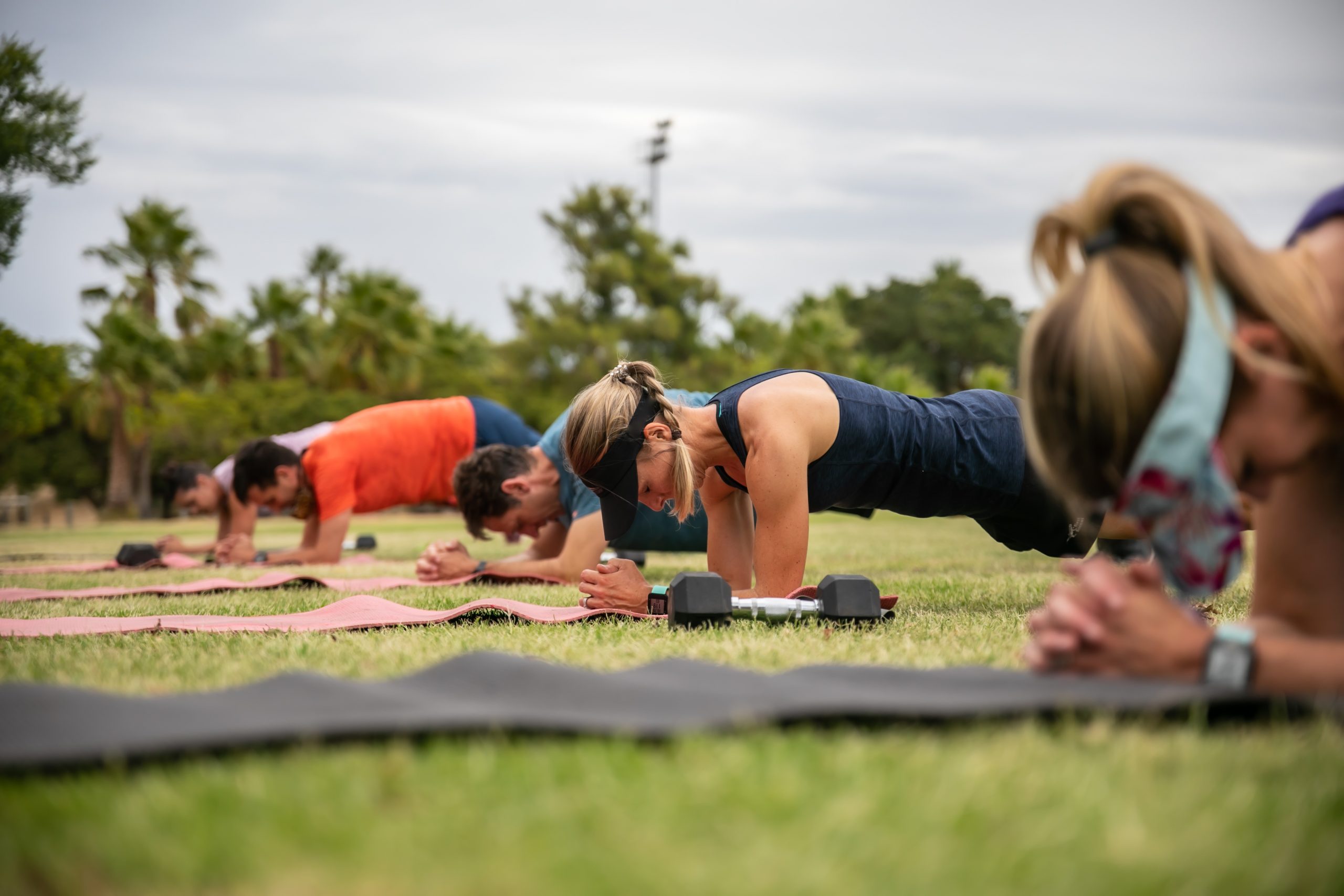
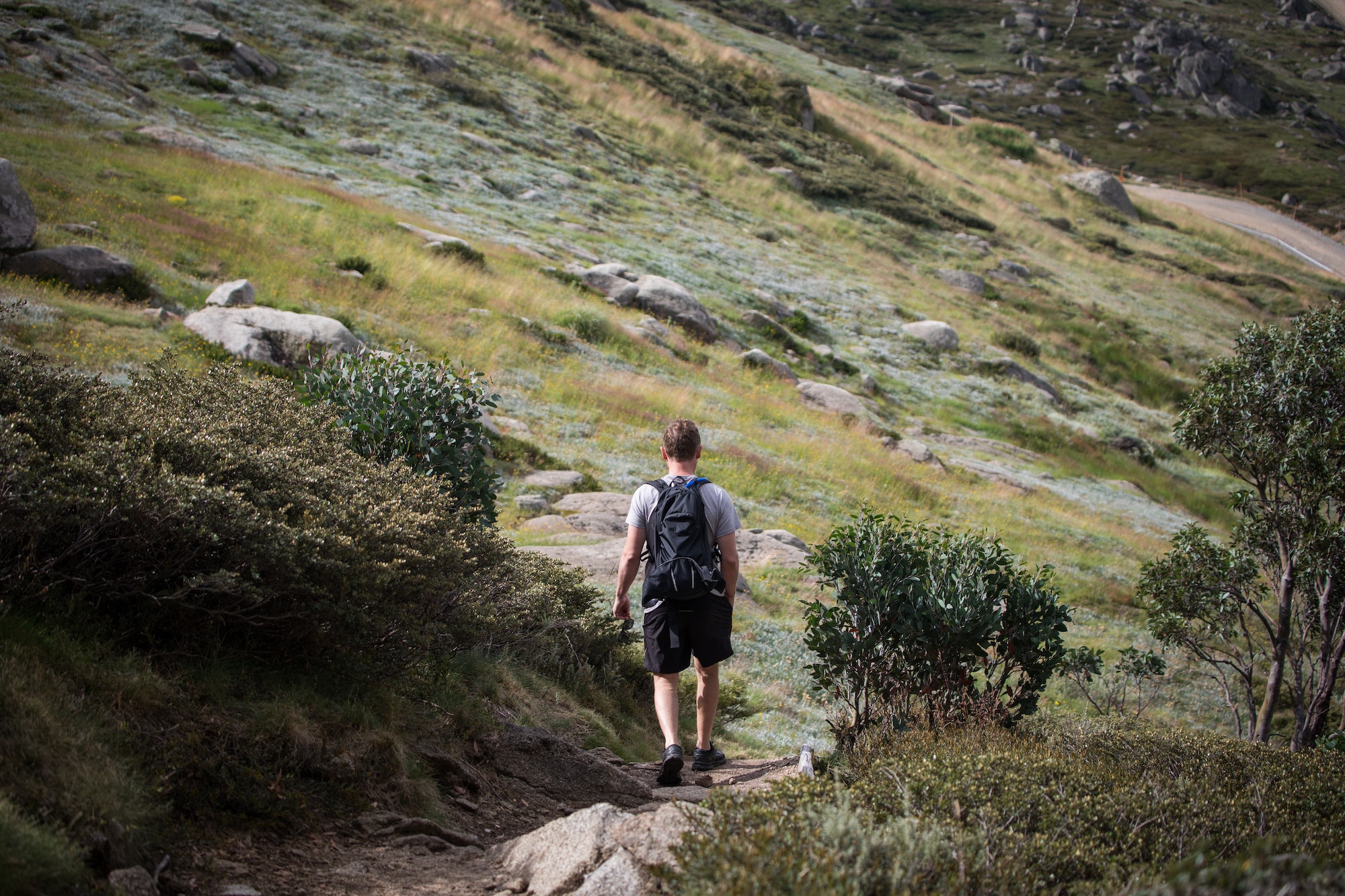
‘Green Exercise’ is a term used to define physical activity/exercise in an outdoor green space.
A ‘green-space’ is an open, undeveloped land with natural vegetation. Parks and gardens within urban environments can be included within the category. It is well known that green exercise and nature-based interventions have a positive impact on wellbeing. Looking back through my previous blogs, I draw attention to the psychological/physiological benefits physical activity has on our health and wellbeing. I have also discussed the enhanced benefits of incorporating structured exercise into our daily/weekly schedule. A ‘green-space’ provides better opportunities for quality physical activity/exercise and superior exercise associated improvements when compared to urbanised, indoor artificial environments. Now moving up the ladder, the gold standard of physical activity/exercise for achieving a state of wellbeing is hands down – Green-exercise.
The enhanced psychological benefits of Green-exercise when compared to indoor exercise are as follows: improved self-esteem; mood; stress tolerance; mindfulness; general sense of wellbeing and greater reduction of symptoms in anxiety and depression. The physiological benefits are as follows: reduction in Cortisol (stress hormone); blood pressure; diabetes and cardiovascular disease; improved immune response; vitamin D production and skin health. Additionally, people who engage in Green-exercise have a higher adherence to regular exercise activities when compared to indoor exercisers. Therefore, we could say the standard physiological benefits of regular exercise (muscle/bone/joint health, fat loss, etc) receive a ‘step up’ due to improved exercise adherence alone. Are you’ sold’ on this yet?

Some of the most prominent theories on why we experience enhanced wellbeing when engaging in green-exercise are based on the concept of Biophilia.
Biophilia is an evolutionary theory suggesting that basically, we love being around living things due to our genetic heritage. We have an evolved symbiotic relationship with nature because it has helped us survive and thrive. Another way of explaining this could be that when we are surrounded by nature, we subconsciously see opportunities to survive and prosper. Other theories such as Stress Reduction Theory compare the different affects urban and natural environments have on our wellbeing. In a nutshell, this theory suggest we simply encounter more stressors in urban environments than within natural environments. This theory is supported by research showing a reduction in Cortisol production when we engage with green-spaces.
Over the past few years, a revived interest in Vitamin D has produced some fascinating insights into mental health research. When the radiation from sunlight hits our skin, the compound (7-dehydrocholesterol) is converted to vitamin D3. The benefits of Vitamin D typically include bone, soft tissue and immune system health. Recently, a study using American military veterans showed that after taking regular vitamin D they observed a 45 to 48% reduction in the risk of visiting a hospital for a suicide attempt or intentional self-harm. As with most studies, a multitude of variables may have affected the conclusion of this research and further investigations will take place. After all, suicide/self-harm are extremely serious, and scientists need to make sure their conclusions are spot on. However, the study is just one of many showing the potential for Vitamin D on health and wellbeing. Even more reason to get outside in the sunshine and start moving your body!
I have tried to do Green-Exercise some justice in 500 words. I hope I have succeeded. I know some folks reading this will have limited opportunity to exercise in a green space due to residential locations and work routine. At the minimum try to get at least 1 exercise session a week, if its safe to do so. In todays world, it has never been so important to reconnect with nature and move our bodies.
Matt Adey, MSc.
Sources
https://www.essex.ac.uk/research-projects/green-exercise
https://www.ncbi.nlm.nih.gov/pmc/articles/PMC3710158/
https://journals.plos.org/plosone/article?id=10.1371%2Fjournal.pone.0279166
https://www.doseofnature.org.uk/the-science
https://journals.plos.org/plosone/article?id=10.1371/journal.pone.0279166